
How Leroy Merlin measures the ROI of its business investments with AI
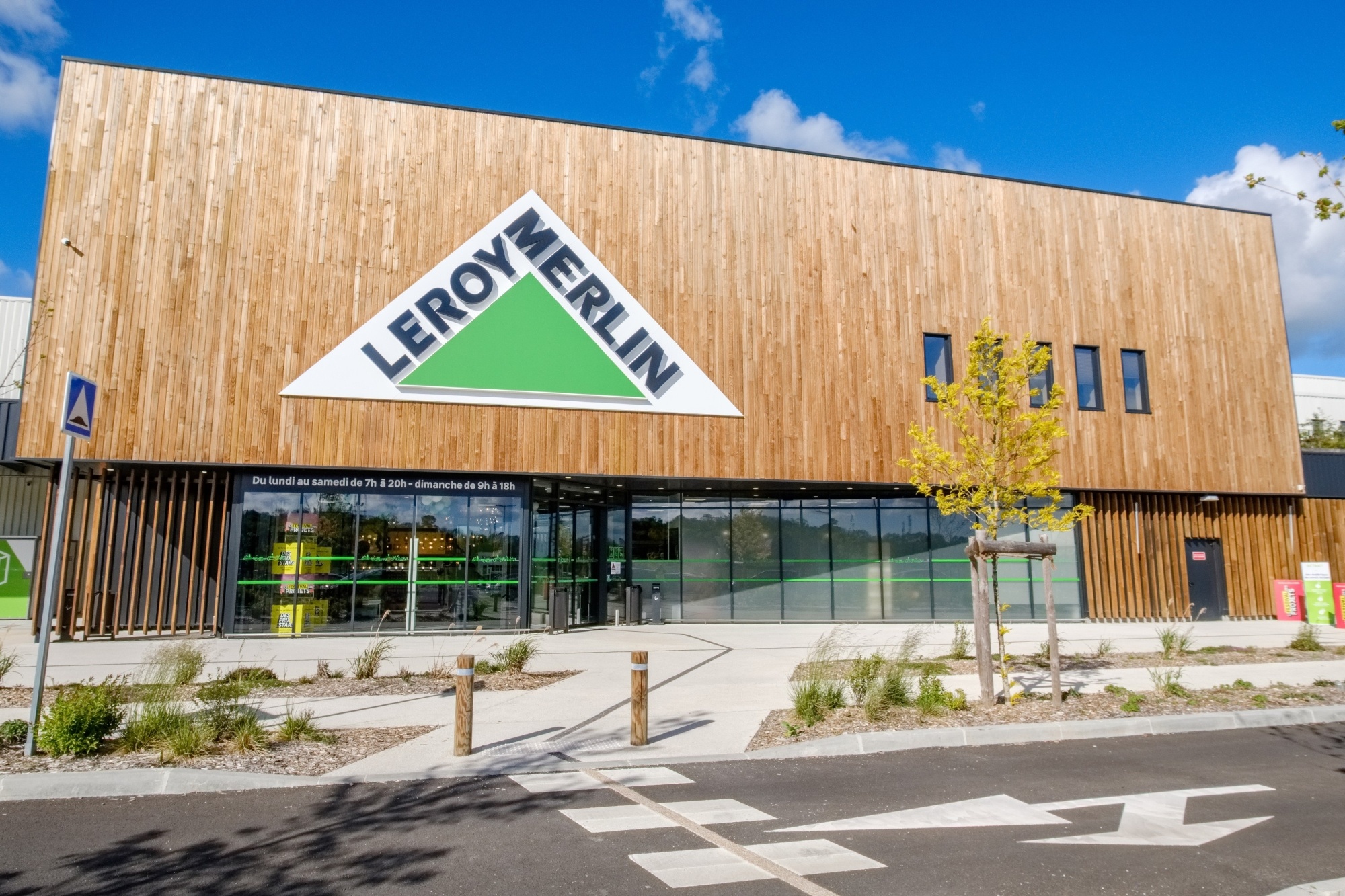
To address high pressure on its margins and the proliferation of marketing and promotional levers, Leroy Merlin wanted to understand the actual impact of its business investments. In collaboration with Ekimetrics, the brand developed a causal AI model that accurately measures each lever’s contribution to value creation and improves budget allocation decision-making.
What we did
Challenge
The DIY market leader in France, Leroy Merlin operates in an environment characterized by inflation, real estate slowdown, and increased competition. Given this context, each euro invested must prove its contribution to performance.
The company had rich data resources (transactions, loyalty, digital), but struggled to transform this information into operational decisions. Several issues limited visibility on the actual performance of investments:
- Siloed management of business levers (loyalty program, promotions, pricing, local initiatives), without a global overview of their effectiveness.
- Difficulty measuring and comparing the ROI of different business investments to prioritize the initiatives that generate the most value.
- Limited visibility on performance gaps by category, customer profiles, or regions, complicating trade-offs.
- Teams with different indicators and priorities, making it difficult to align decisions at the organization level.
Our approach
Ekimetrics and Leroy Merlin co-designed a causal AI model to measure the actual impact of each business lever on value creation.
The approach was based on three pillars:
- Large-scale modeling covering 13 business levers, 200 product subcategories, several customer segments, and 11 regions, based on four years of data.
- Co-creation with business teams to ensure the interpretability of the results and avoid the "black box” effect.
- Inclusion of marketing, sales, finance, and regional teams from the design phase to encourage adoption of analyses.
Outcome
The project made it possible for Leroy Merlin to obtain a unified view of sales performance and to identify the investments that create the most value:
- A confirmed premium loyalty program: the ROI of the new paid option exceeds the old program by +30%, confirming a strategic choice that could’ve remained a conviction without quantitative evidence.
- Personalization, a real performance lever: personalized offers tailored to high-potential customers generate twice as much ROI as generic promotions.
- Local initiatives justified: Local promotional campaigns demonstrate a measurable contribution to performance and support stores’ autonomy.
- Performance gaps between regions allow investments adjusted to local characteristics.
- The results now serve as the foundation for ongoing performance management in the future. A simulator is being deployed to help teams test different investment scenarios before implementation.